
Field Notes · November 12, 2025 · 6 min · By Katarina Mbeki
What is a keloid, and how is it different from a scar?
Keloids grow beyond the original wound, and that one fact changes treatment.
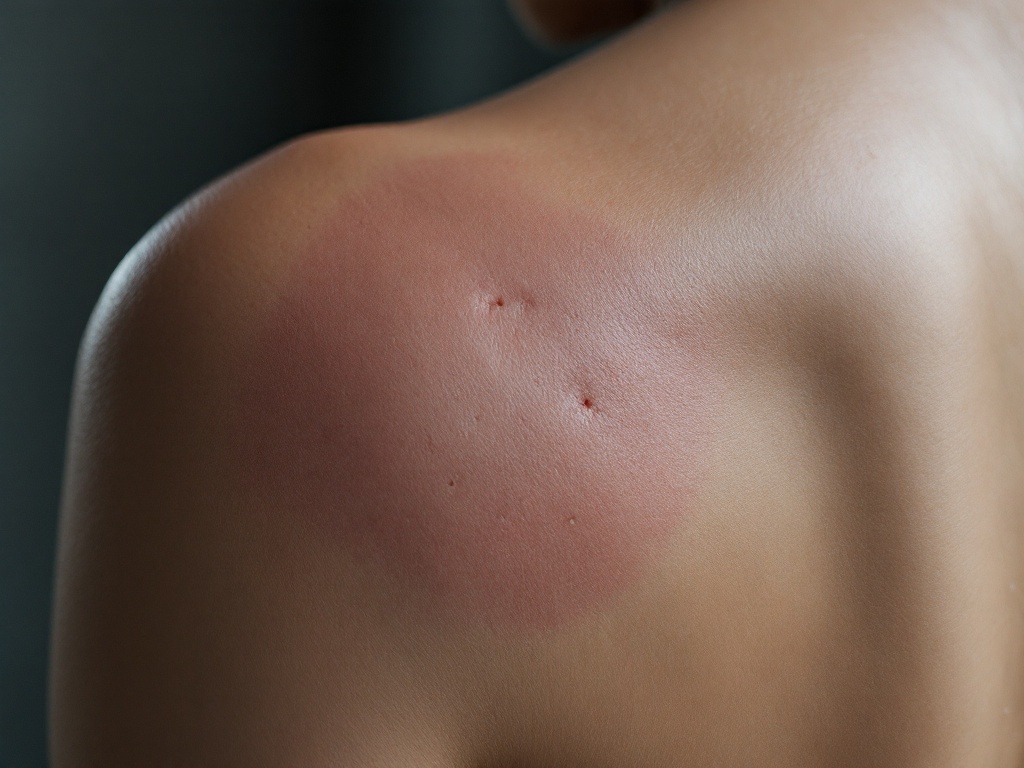
Every wound leaves a scar, but a keloid is a scar that does not know when to stop. Where a normal scar stays within the boundaries of the original injury, a keloid keeps producing collagen and grows beyond it, forming a raised, often shiny, sometimes itchy or tender overgrowth that can become much larger than the wound that started it.
This distinguishes keloids from hypertrophic scars, which are also raised but stay within the wound margins and tend to flatten over time. Keloids do not reliably regress on their own and frequently return after simple removal, cut a keloid out and you create a fresh wound that can keloid again, sometimes larger.
That tendency to recur is why keloids are managed rather than simply excised, usually with a combination of treatments. They are more common in people with deeper skin tones and often run in families. Understanding that a keloid is biologically driven to overgrow, not just an ugly scar to remove, is the starting point for treating it sensibly rather than making it worse.
Related reading: Silicone sheets and pressure: preventing keloids before they form and Steroid injections: the first-line keloid treatment.
Further reading: A systematic review of comparative clinical trials on the efficacy, safety, and patient satisfaction of ablative and non-ablative laser therapies for atrophic, hypertrophic, and keloid scars (Lasers Med Sci 2025); Laser Therapy in Hypertrophic and Keloid Scars: A Systematic Review and Network Meta-analysis (Aesthetic Plast Surg 2024); Laser therapy for treating hypertrophic and keloid scars (Cochrane Database Syst Rev 2022).