Dispatch · December 3, 2025 · 6 min · By Leopold Ferreira
Steroid injections: the first-line keloid treatment
Why corticosteroid injections remain the workhorse, and what a course involves.
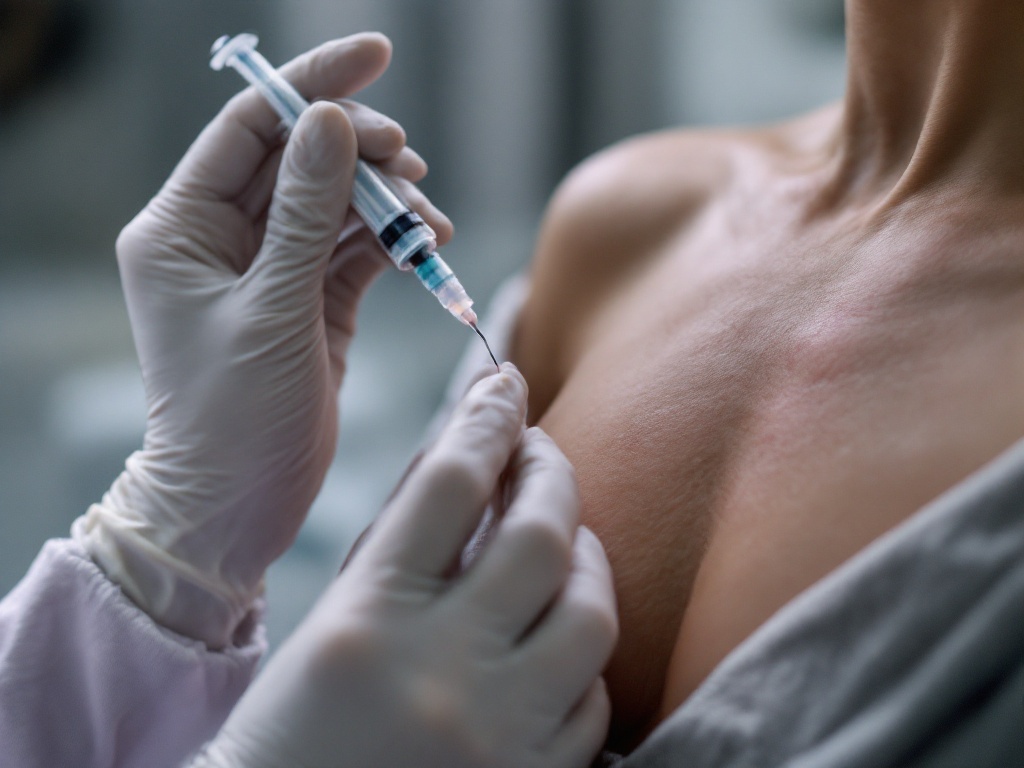
For most keloids, the first treatment a dermatologist reaches for is a series of corticosteroid injections directly into the scar. The steroid suppresses the inflammation and excess collagen production driving the overgrowth, gradually flattening and softening the keloid and easing itch and tenderness.
It is a course, not a single shot. Injections are typically repeated every few weeks over months, and the keloid shrinks progressively. Results are good for many keloids, though stubborn or very large ones may need steroids combined with other approaches. Side effects to watch for include thinning or lightening of the surrounding skin and small visible blood vessels, which is why dosing and placement require an experienced hand.
Steroid injection is rarely glamorous and demands patience, but its track record is why it remains the backbone of keloid care. Patients hoping for a one-visit fix are often disappointed; those who commit to the series usually see meaningful, lasting flattening.
Related reading: Laser treatment for keloids: what it can and cannot do and Keloids and skin of color: tailored, careful treatment.
Further reading: Efficacy and Safety of Cryotherapy Combined With Intralesional Steroid for Keloid and Hypertrophic Scar: A Systematic Review and Meta-Analysis (J Cosmet Dermatol 2026); Intralesional Corticosteroid Administration in the Treatment of Keloids: A Scoping Review on Injection Methods (Dermatology 2023); Intralesional corticosteroid administration in the treatment of keloids: a survey among Dutch dermatologists and plastic surgeons (J Dermatolog Treat 2023).