
Field Notes · July 15, 2026 · 7 min · By Katarina Mbeki
Keloids in children: what parents should know about treating them early
Children form keloids too, and the calmest, gentlest options are usually the right first move.
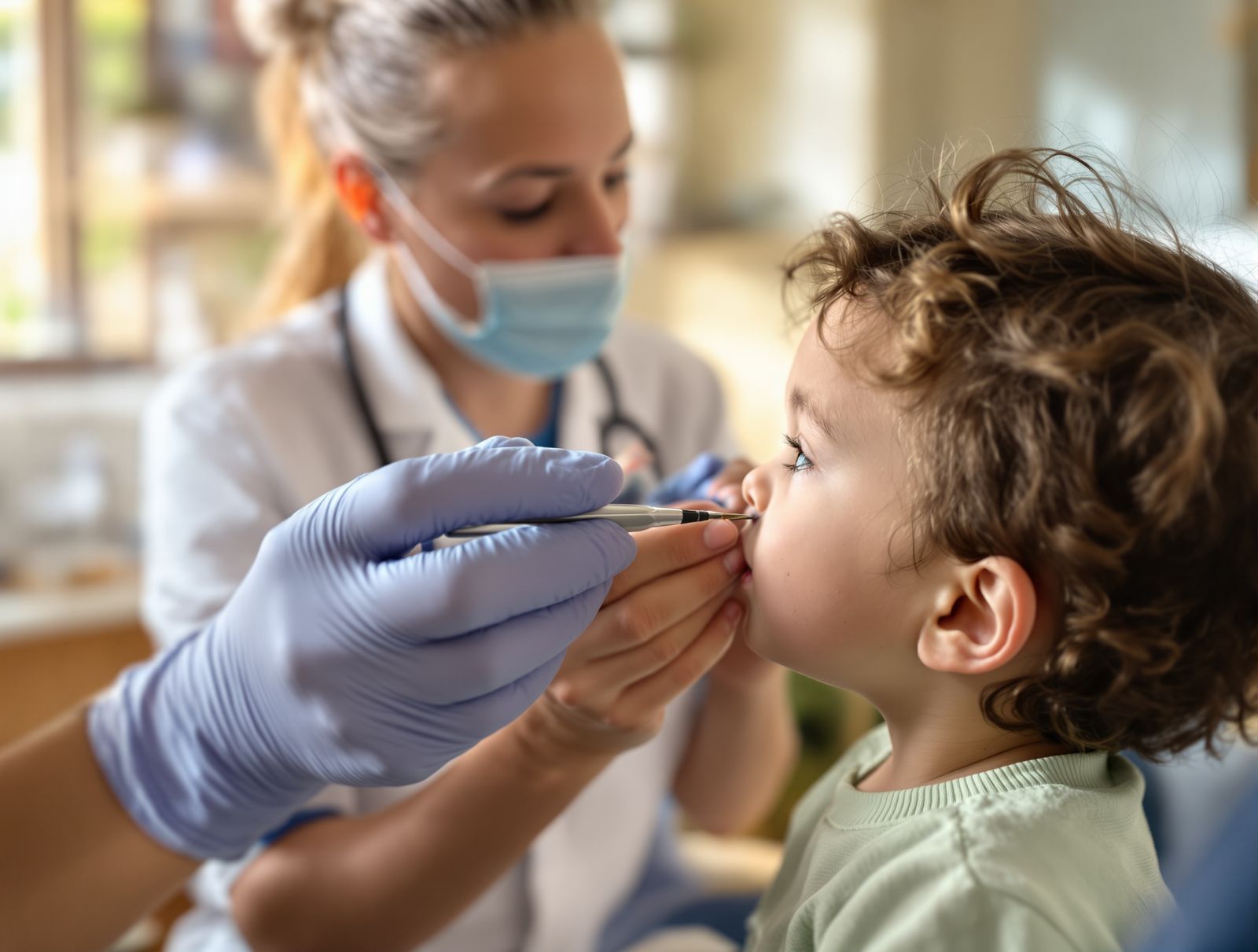
A keloid is not only an adult problem. Children and teenagers form them too, often after an ear piercing, a scrape, a burn, or a bout of acne, and a raised scar on a young child raises questions that are a little different from the ones adults face. Parents usually want to know three things: whether to treat it now or wait, whether treatment will hurt, and whether the scar will simply come back. The reassuring answer is that keloids in children are treatable, and that starting gently and early tends to give the best result.
Why children form keloids at all. The same factors that predict keloids in adults apply to children: a family history of keloids, deeper skin tones, and injuries in high-tension areas such as the chest, shoulders, and earlobes. Keloids are also most likely to develop from the teens through the thirties, so childhood and adolescence sit squarely inside the higher-risk window of a person's life rather than outside it. A child who has keloided once, or who has a parent or sibling who keloids, should be treated as keloid-prone from that point on (AAD, who gets keloids and causes).
Ear piercing is the most common trigger. The earlobe after a piercing is one of the most frequent places a child develops a keloid, and that matters because ear piercing is often done young and entirely by choice. For a family with a known keloid history, a routine piercing becomes a genuine decision rather than a given. Delaying it, choosing a single lower-risk site, and watching the healing closely are all reasonable ways to lower the odds. If a firm bump starts to rise at a piercing site and grows past the original wound, that is the moment to see a dermatologist rather than wait and hope (MedlinePlus, keloids).
Recognizing a keloid versus an ordinary scar. Not every raised mark on a child is a keloid. A normal scar and a hypertrophic scar stay within the boundaries of the original injury and often flatten with time, while a keloid keeps growing beyond the wound and does not reliably settle on its own. A keloid is typically firm, smooth, sometimes shiny, and it may itch or feel tender. Because a small, recent keloid is far easier to control than a large established one, the practical rule for parents is simple: a bump that outlasts and outgrows the injury that caused it deserves a professional look (DermNet, keloid and hypertrophic scar).
Gentler treatments come first. In children, dermatologists lean toward the least aggressive effective option. Silicone gel or sheeting worn consistently, steady pressure where the site allows, and simple protection of the area are low-risk starting points that also work well for preventing raised scars before they form. These measures ask for patience and consistency rather than procedures, which makes them a natural fit for a young patient. The more intensive tools that adults sometimes reach for early are usually held in reserve for children.
Injections, used carefully. When a keloid is already established, corticosteroid injection is still the mainstay for children as it is for adults, but dosing and frequency are handled with extra care in a smaller body, and clinicians weigh side effects like thinning or lightening of the surrounding skin more conservatively. Comfort matters too: numbing cream, distraction, and a calm, unhurried clinic visit make a real difference to whether a child will tolerate a short series of injections. Radiation, which plays a role in high-risk adult keloids, is generally avoided in children whenever possible, and pigment-related risks deserve particular attention in deeper skin tones, where an overly aggressive approach can trade a keloid for a lasting discoloration.
What parents can do at home. Between visits, a few unglamorous habits carry real weight. Keep the area moisturized and protected from friction, apply silicone as directed, and shield the scar from the sun, since a keloid that tans darkens and becomes more noticeable. Just as importantly, help the child avoid picking, scratching, or squeezing the site, because each of those is another small injury to skin that has already shown it scars excessively. The American Academy of Dermatology's self-care guidance for keloid-prone people centers on exactly this kind of gentle, consistent care and on avoiding unnecessary skin trauma (AAD, keloids self-care).
The emotional side is real. A visible scar on a child, especially on the face, ear, or neck, can affect confidence and invite questions from classmates. Parents sometimes downplay a keloid as merely cosmetic, but for a child navigating school and friendships it can matter a great deal. Taking the scar seriously, seeking treatment, and framing it as a manageable medical issue rather than a flaw all help a child feel supported. The goal, as with adults, is durable control and a quieter, flatter scar rather than a promise of a blank slate.
The takeaway. Children do get keloids, most often on a pierced earlobe or after acne and injuries in high-risk areas, and the tendency runs in families and is more common in deeper skin tones. The best approach is to act early and gently: recognize a scar that grows beyond its wound, start with low-risk measures like silicone and protection, and see a dermatologist experienced with children and with your child's skin type before a small keloid becomes a large one. Caught early and handled with patience, a childhood keloid is a manageable problem, not a life sentence.
Related reading: Ear keloids after piercing: a common and treatable problem and Who gets keloids, and why.