
Explainer · August 9, 2026 · 5 min · By Ifeoma Stanfield
What Steroid Injections Actually Do Inside a Keloid, and Why They Sometimes Fail
Intralesional triamcinolone remains the workhorse of keloid treatment. Here is the mechanism, the realistic response rates, the side effects nobody warns you about, and why combining it with 5-fluorouracil has changed the math.
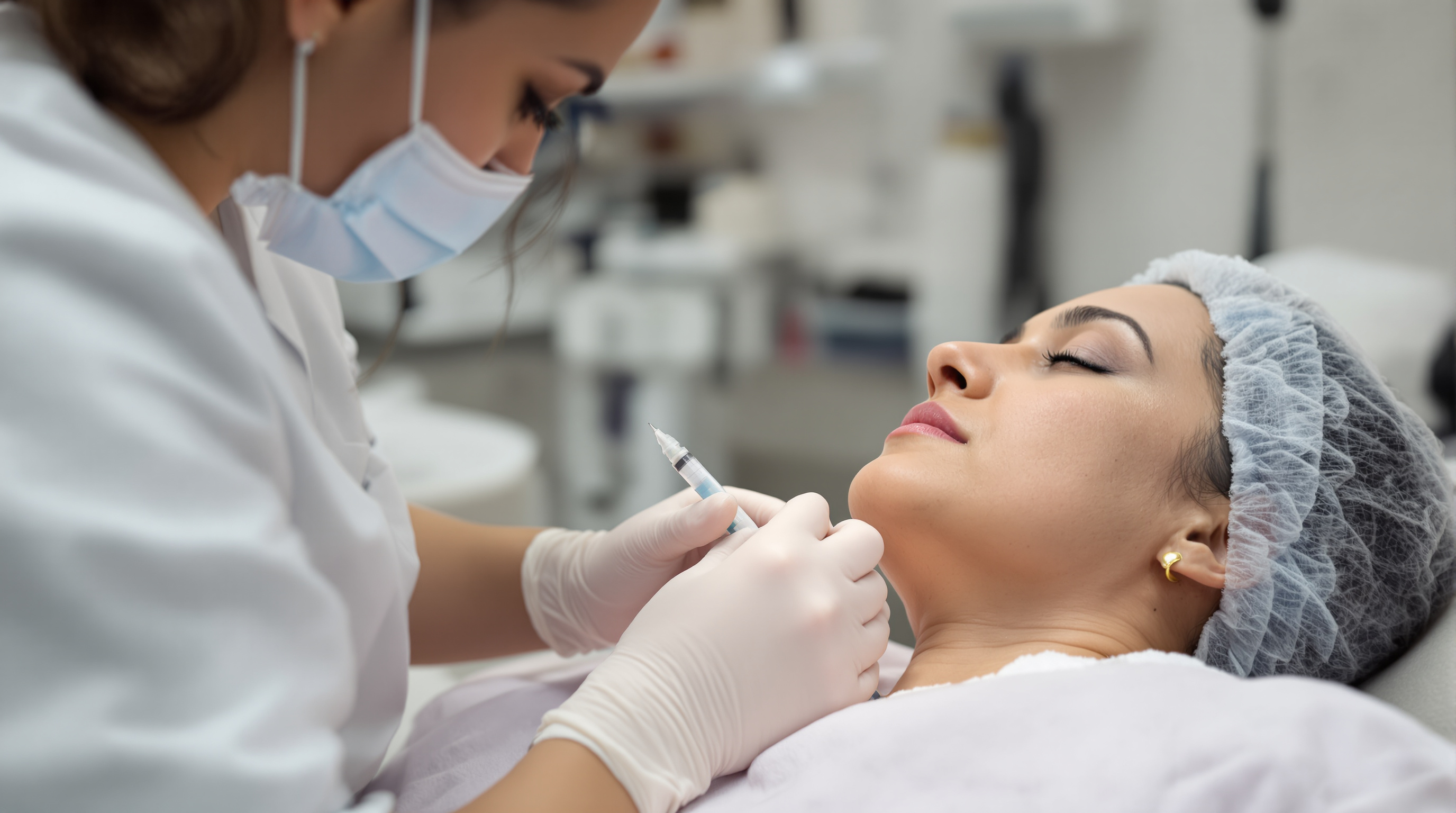
Ask almost any dermatologist about first-line keloid treatment and the answer is usually the same: injections of triamcinolone acetonide, a synthetic corticosteroid, delivered directly into the scar tissue. It has been used this way for more than 60 years. Yet many patients arrive at their first appointment with only a vague idea of what the needle is supposed to accomplish, and many leave a series of appointments frustrated that the keloid softened but never disappeared. Understanding the mechanism explains both the successes and the disappointments.
What the steroid is actually doing. A keloid is not simply a big scar. It is a site of ongoing, dysregulated wound healing where fibroblasts keep producing collagen, mostly type I and type III, long after a normal wound would have stopped. Triamcinolone works on several fronts at once. It suppresses the inflammatory signaling, particularly TGF-beta pathways, that keeps fibroblasts in overdrive. It directly reduces fibroblast proliferation and collagen synthesis. And it appears to increase the activity of collagenase, the enzyme that breaks existing collagen down, while reducing the inhibitors that normally hold collagenase in check. The practical result is that a treated keloid becomes softer, flatter, less itchy, and less painful over a series of sessions.
What the numbers actually look like. Published response rates for triamcinolone monotherapy vary widely, roughly 50 to 100 percent for some degree of flattening, which tells you the studies are inconsistent in how they define response. More sobering is the recurrence figure: depending on the series, somewhere between 9 and 50 percent of keloids regrow after steroid injections alone. The injections quiet the fibroblasts, but they do not remove the underlying tendency of that patient's skin, at that site, to form keloids. Stop the pressure and the biology can resume.
Why treatment sometimes fails. Several factors matter more than patients are usually told. First, concentration and technique: triamcinolone is typically used at 10 to 40 milligrams per milliliter, and the drug must be deposited within the keloid itself, not underneath it and not into surrounding normal skin. Dense, old, heavily collagenized keloids physically resist injection, which is why some clinicians pretreat with cryotherapy or use higher pressure devices to get the drug in. Second, scheduling: injections are usually repeated every 3 to 4 weeks, and stopping after one or two sessions because the scar 'looks a bit better' is a common route to relapse. Most protocols anticipate 3 to 6 sessions minimum, sometimes more. Third, keloid age and location: earlobe keloids tend to respond better than chest and shoulder keloids, which sit in high-tension skin where mechanical stretch itself drives fibroblast activity.
The side effects that deserve a real conversation. Steroid injected into the wrong plane, or in too high a cumulative dose, causes dermal atrophy, meaning a depressed or thinned area of skin. It also commonly causes hypopigmentation, a lightened patch that is especially visible in darker skin tones, the same populations most prone to keloids in the first place. Telangiectasias, small visible blood vessels, can appear at the injection site. These effects are sometimes reversible over months but not always. This is one reason clinicians increasingly favor lower steroid concentrations combined with a second agent rather than escalating triamcinolone alone.
The 5-fluorouracil combination. The most consequential shift in injection therapy over the past two decades is the pairing of triamcinolone with 5-fluorouracil, a chemotherapy agent that blocks DNA synthesis in rapidly dividing cells, which in this context means proliferating fibroblasts. A commonly cited mixing ratio is roughly one part triamcinolone to nine parts 5-FU, though protocols vary. Multiple randomized trials and meta-analyses have found the combination produces better flattening, lower recurrence, and fewer steroid-related side effects such as atrophy and hypopigmentation than triamcinolone alone, largely because the steroid dose can be reduced. The tradeoff is more injection-site discomfort and occasional temporary ulceration or darkening at the site. 5-FU is generally avoided in pregnancy and in patients with certain blood disorders.
What injections cannot do. No injection removes keloid tissue. It remodels and shrinks it. Very large, pedunculated keloids, the kind that hang off the earlobe, usually need surgical removal, and injections then serve as the recurrence-prevention arm afterward, often alongside pressure earrings, silicone, or radiotherapy depending on the case. Injections also do not change genetic susceptibility, so new trauma to keloid-prone skin, including piercings and elective procedures, carries the same risk it always did.
The bottom line. Steroid injections are a legitimately effective, mechanism-based treatment, not a placeholder. But they work by suppressing a process, not deleting it, so patience with the full injection series, honest counseling about pigment changes, and consideration of combination therapy are what separate a satisfying outcome from a frustrating one. Patients who understand this going in tend to stay the course, and staying the course is most of the battle.