
Advances · July 18, 2026 · 6 min · By Jericho Vasquez
Botulinum toxin for keloids: what the evidence actually supports
Botox is being marketed for scars, and the research is real but narrower than the hype suggests.
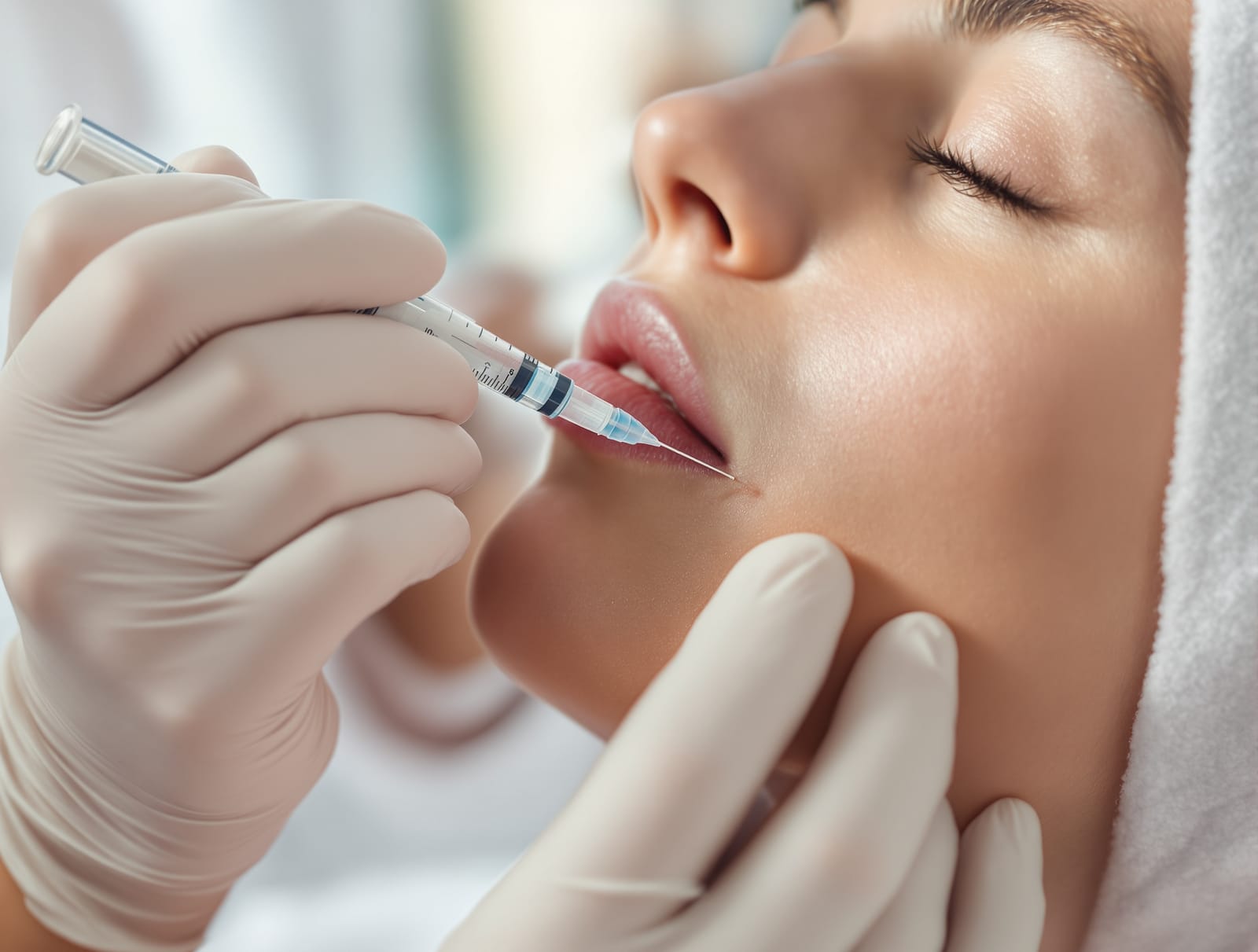
Ask about the newest tool in keloid care and someone will eventually mention Botox. Botulinum toxin type A, the same muscle relaxing drug used to soften wrinkles, has become one of the most talked about scar treatments of the past decade. The interest is not pure marketing; there is genuine clinical research behind it. But the evidence points to a narrower and more specific role than the excitement suggests, and understanding that role is the difference between a reasonable add-on and a wasted course of injections.
Why a muscle relaxer would touch a scar at all. A keloid is a wound that keeps producing collagen long after it should stop, driven by overactive fibroblasts and, crucially, by mechanical tension on the healing skin. Tension is the key word. Skin that is repeatedly pulled and stretched while it heals signals fibroblasts to lay down more collagen, which is part of why keloids favor high movement, high tension zones like the chest, shoulders, and jaw. Botulinum toxin works by temporarily relaxing the small muscles around a wound, easing that pull while the scar matures. Laboratory studies also suggest the toxin may slow fibroblast activity and dampen the collagen producing signals more directly, though the tension effect remains the best established mechanism (StatPearls keloid overview, NIH).
What the trials actually show. The strongest evidence is for prevention rather than rescue. A systematic review and meta-analysis of 16 randomized trials covering 671 patients found that botulinum toxin type A improved scar outcomes after surgery, including Vancouver Scar Scale scores, patient rated appearance, and scar width, and concluded that the drug is effective and safe for postoperative scar prevention and wound healing, with the clearest benefit seen for facial wounds (Efficacy and safety of botulinum toxin type A for postoperative scar prevention, PubMed). That is a meaningful result, but read the fine print: most of these trials studied fresh surgical wounds and hypertrophic scars, not large, established keloids, and much of the data comes from facial scars in Asian populations followed for a limited time.
Prevention, not erasure of an old scar. The picture that emerges is of a tension reducing tool used early, at the moment of injury or surgery, to keep a scar from thickening in the first place. That places botulinum toxin closer to silicone and pressure in the toolkit than to the treatments that flatten a mature keloid, and it fits the broader principle of keloid care that what you do right after a wound matters most. For a keloid that has already grown large and rope-like over months or years, botulinum toxin alone is not a convincing eraser, and no serious clinician presents it as one.
As a partner to steroids, not a replacement. Where botulinum toxin has drawn the most credible attention for existing scars is in combination. A meta-analysis comparing corticosteroid injection alone against corticosteroid combined with botulinum toxin type A found the combination superior across the measures that matter to patients: pain, scar appearance, thickness, itch, and overall satisfaction (Corticosteroid combined with botulinum toxin type A for keloid and hypertrophic scars, PubMed). That mirrors the through line of modern keloid treatment, where combinations reliably outperform any single agent. It positions botulinum toxin alongside the steroid injection that remains the workhorse and the 5-fluorouracil added for stubborn scars, rather than as a standalone competitor to either.
The honest limits. Botulinum toxin is not approved by the FDA for scar treatment, so any use for keloids is off label, and the American Academy of Dermatology's recognized keloid options still center on injection, surgery with adjuvant therapy, radiation, and pressure rather than botulinum toxin (AAD, keloids treatment). The supporting studies are relatively small, concentrated on facial and hypertrophic scars, and short on long term follow up, which is a real gap for a condition defined by its tendency to return. The effect is also temporary, wearing off over a few months, so any preventive role means repeat injections during the healing window, with the cost that implies.
Side effects and practical notes. Compared with some keloid treatments, botulinum toxin is generally well tolerated. The main effects are local: temporary weakness of nearby muscles, mild bruising, and injection site soreness. Because the drug relaxes muscle, placement near the eyes, mouth, or other expressive areas of the face demands an experienced injector who can avoid unwanted drooping or asymmetry. It is avoided in pregnancy and breastfeeding and in people with certain neuromuscular conditions. As with every keloid treatment, the quality of the result depends heavily on the hands delivering it.
The takeaway. Botulinum toxin for keloids is a legitimate and promising tool, but a specific one. Its best supported use is preventing thick scars on high tension areas, especially the face, when started early, and boosting the effect of steroid injection when added to it. It is not a proven cure for a large, established keloid on its own, and it is not yet a first line therapy. If a clinic offers it, ask where it fits in your plan and what it is being combined with. Treated as one part of the multi-modal approach behind today's better keloid odds, it can earn its place; sold as a magic fix, it will disappoint.
Related reading: Fluorouracil (5-FU) injections: a second-line option for stubborn keloids and Preventing keloids before planned surgery.