
Explainer · August 4, 2026 · 5 min · By Ifeoma Stanfield
Triamcinolone vs 5-Fluorouracil for Keloids: What Injection Choice Actually Changes
Both drugs flatten keloids, but they work on different parts of the scar biology. Here is how clinicians decide between steroid alone, 5-FU alone, or the combination, and what the evidence says about recurrence and side effects.
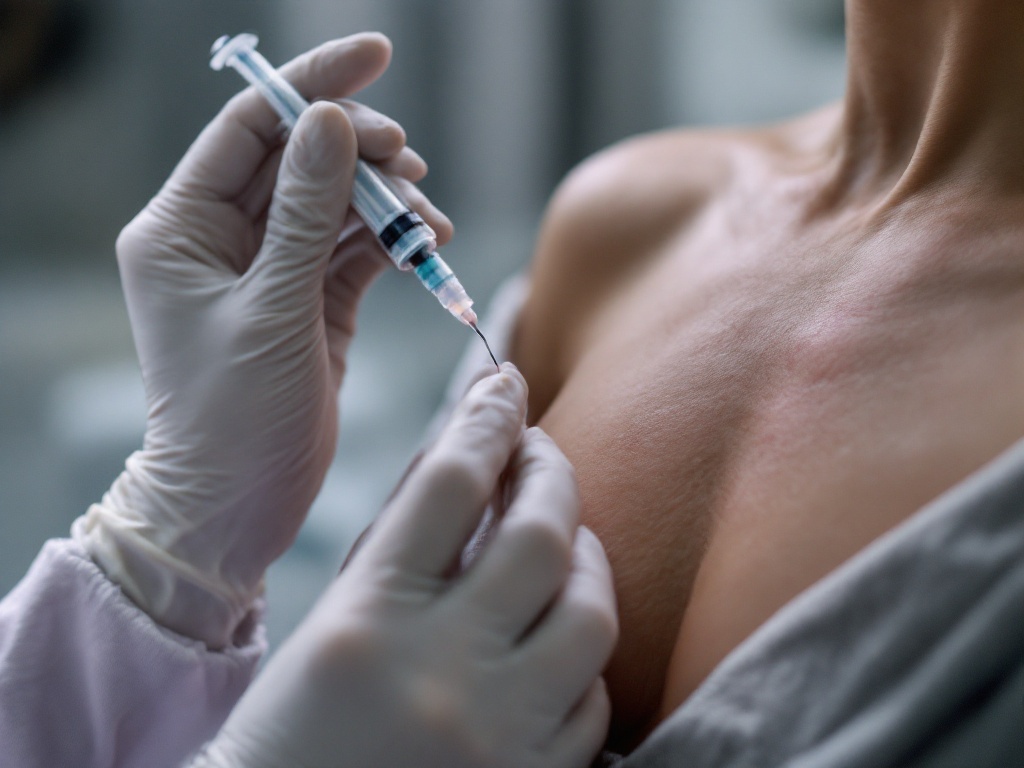
Ask most dermatologists what the first line treatment for a keloid is and the answer is nearly universal: injection with triamcinolone acetonide, a corticosteroid, delivered directly into the scar tissue. It has held that position for decades. Yet a growing share of clinicians now reach for 5-fluorouracil, a chemotherapy agent, either on its own or mixed into the same syringe. Understanding why requires looking at what each drug does inside a keloid, because they are not interchangeable.
What triamcinolone actually does. A keloid is, at its core, a wound healing process that never received the stop signal. Fibroblasts in the scar keep producing collagen, particularly type I collagen, long after the injury has closed. Triamcinolone suppresses this on several fronts. It reduces the inflammatory signaling that keeps fibroblasts activated, it directly inhibits fibroblast proliferation, and it increases the activity of collagenase, the enzyme that breaks existing collagen down. The net effect is that the scar softens and flattens over a series of treatments, typically spaced three to six weeks apart.
The drawbacks are dose related and well documented. Steroid injected into skin can thin the surrounding tissue, a change called atrophy, and can cause telangiectasias, the fine visible blood vessels that sometimes appear around treated keloids. Hypopigmentation, a lightening of skin color at the injection site, is a particular concern for patients with darker skin tones, who are also the patients most likely to form keloids in the first place. And recurrence is common. Reported recurrence rates after steroid monotherapy vary widely across studies, often cited in the range of 30 to 50 percent within a few years, in part because the drug quiets fibroblasts without eliminating the underlying tendency of that tissue to reactivate.
What 5-FU brings to the table. 5-fluorouracil interferes with DNA synthesis, which makes it toxic to rapidly dividing cells. In a keloid, the rapidly dividing cells of interest are fibroblasts. 5-FU also appears to suppress signaling through TGF-beta, a growth factor that is central to keloid formation, and to reduce the expression of type I collagen genes. In plain terms, where triamcinolone calms the scar down, 5-FU targets the machinery producing it.
Used alone, intralesional 5-FU is roughly comparable to triamcinolone in flattening keloids in head to head trials, though injections tend to be more painful and may cause temporary ulceration or darkening at the injection site. Importantly, 5-FU does not cause the skin thinning, vessel changes, or pigment loss associated with steroids, which is why some clinicians prefer it for keloids on the face, chest, or in patients who have already developed steroid side effects.
Why the combination has become popular. The most common modern approach mixes a small amount of triamcinolone into a 5-FU syringe, frequently at a ratio around one part steroid to nine parts 5-FU, though protocols vary. The logic is mechanistic. The steroid handles inflammation and provides some pain relief at the injection site, while the 5-FU suppresses fibroblast proliferation and collagen synthesis. Multiple randomized trials and meta-analyses have found that the combination flattens keloids more effectively than triamcinolone alone, with fewer steroid specific side effects because the steroid dose per session is lower. Recurrence rates with the combination also trend lower in most comparative studies, though follow up periods in this literature are often shorter than clinicians would like.
What injection therapy cannot do. No injected drug removes a keloid. These treatments flatten, soften, and reduce itch and pain, which for many patients is the meaningful outcome. A large keloid that has been flattened is still scar tissue, and a patient with a strong keloid diathesis, meaning a genetic tendency toward keloid formation, remains at risk of regrowth in that spot and new keloids elsewhere. For bulky keloids, injections are frequently paired with other modalities: surgical debulking followed immediately by injections or superficial radiation, cryotherapy to reduce scar volume before injecting, or silicone sheeting and pressure between sessions.
Practical points patients should know. First, injection treatment is a course, not an event. Most protocols involve three to six sessions minimum, and stopping early is a common reason for apparent treatment failure. Second, pain during injection is real, because keloid tissue is dense and requires pressure to infiltrate. Topical anesthetics, small needles, and slower injection help. Third, 5-FU is used off label for keloids in most countries, which is routine in dermatology but worth understanding. It is avoided in pregnancy and in patients with certain blood disorders. Fourth, if a keloid has been injected repeatedly with steroid and the surrounding skin is thinning or losing color, that is a signal to discuss switching agents rather than continuing the same approach.
The honest summary is this: triamcinolone remains a reasonable first choice for many keloids, 5-FU is a legitimate alternative with a different side effect profile, and the combination currently has the strongest comparative evidence for flattening and durability. The right choice depends on keloid size and location, skin tone, prior treatment history, and how the individual scar responds, which is why serial reassessment matters as much as the initial drug selection.
Related reading: Steroid Alone or Steroid Plus 5-FU: What the Evidence Says About Injecting Keloids and Fluorouracil (5-FU) injections: a second-line option for stubborn keloids.