
Explainer · August 4, 2026 · 4 min · By Ifeoma Stanfield
Steroid Alone or Steroid Plus 5-FU: What the Evidence Says About Injecting Keloids
Intralesional triamcinolone has been the workhorse of keloid treatment for decades. Adding low-dose 5-fluorouracil changes the math on response rates, recurrence, and side effects. Here is how the two approaches actually compare.
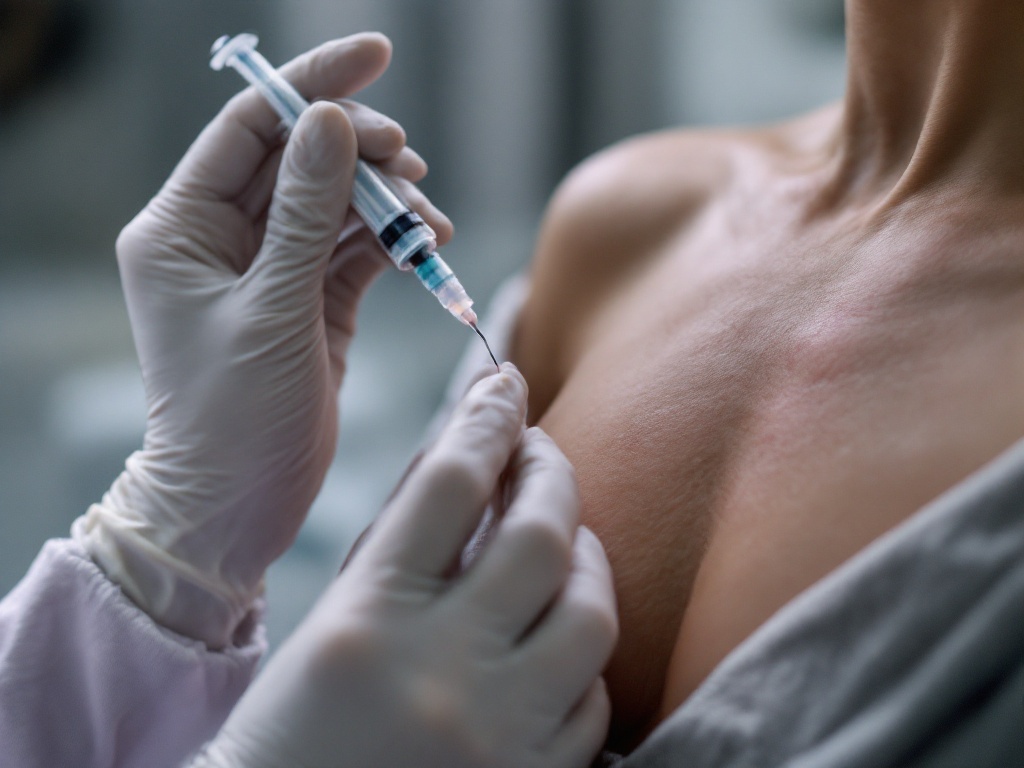
Ask most dermatologists how they treat a keloid and the first answer is usually the same: injections of triamcinolone acetonide, a corticosteroid, delivered directly into the scar. It has been the standard since the 1960s, and for good reason. It works often enough, it is cheap, and clinicians know it well. But over the past two decades a second drug, 5-fluorouracil, has moved from oncology wards into scar clinics, and a growing body of trials suggests that combining the two may outperform steroid alone for many patients. Understanding why requires looking at what each drug actually does inside a keloid.
How triamcinolone works, and where it falls short. A keloid is essentially a wound-healing process that never received the stop signal. Fibroblasts in the scar keep producing collagen, driven in large part by a signaling molecule called transforming growth factor beta, or TGF-beta. Triamcinolone attacks this on several fronts. It suppresses inflammation, reduces fibroblast proliferation, and increases the activity of collagenase, the enzyme that breaks collagen down. Clinically, this softens and flattens the scar over a series of injections, typically spaced three to six weeks apart.
The problem is twofold. First, response is inconsistent: reported improvement rates with steroid alone range roughly from 50 to 70 percent, and recurrence after stopping treatment is common, with some studies reporting relapse in a third to half of cases within a few years. Second, the side effects are dose dependent and cosmetically significant. Repeated or concentrated triamcinolone can cause skin atrophy, a sunken or thinned appearance around the injection site, hypopigmentation that is especially visible in darker skin, and telangiectasias, the fine visible blood vessels that patients often find as distressing as the keloid itself.
What 5-FU adds. 5-fluorouracil is an antimetabolite. It interferes with DNA synthesis, which means it preferentially hits cells that are dividing rapidly. In a keloid, the most rapidly dividing cells are the overactive fibroblasts. Beyond simple antiproliferative effects, 5-FU has been shown in laboratory studies to reduce TGF-beta signaling and to trigger apoptosis, programmed cell death, in keloid fibroblasts specifically. In plain terms, the steroid calms the fire while the 5-FU thins out the crew that keeps feeding it.
The most studied protocol mixes the two drugs in a single syringe, commonly at a ratio of roughly nine parts 5-FU to one part triamcinolone, injected into the scar at intervals of one to four weeks. This does two useful things at once. It lowers the total steroid dose per session, which reduces the risk of atrophy and pigment loss, and it adds a second, independent mechanism of action.
What the trials show. Multiple randomized controlled trials and several meta-analyses have compared triamcinolone alone against the combination. The pattern across them is fairly consistent. The combination tends to produce greater flattening, faster improvement in scar height and redness, higher patient satisfaction, and lower recurrence rates at follow-up. Steroid-related side effects such as atrophy and hypopigmentation occur less often in the combination groups, which follows logically from the reduced steroid dose. The tradeoff is a different side effect profile: 5-FU injections sting more, and transient ulceration or crusting at the injection site occurs in a minority of patients, usually resolving without lasting harm.
It is worth being precise about the limits of this evidence. Most trials are small, follow-up periods vary, and outcome measures differ between studies, which makes pooled numbers softer than they appear. No injection protocol reliably erases a keloid. The realistic goal is substantial flattening, symptom relief from itch and pain, and a lower chance of regrowth, not invisible skin.
Who might not be a candidate for 5-FU. Because 5-FU affects dividing cells, it is avoided in pregnancy and breastfeeding, and in people with certain blood disorders or active infections at the site. Patients should also expect blood counts to be considered if treatment is prolonged, though systemic absorption from small intralesional doses is minimal. These are conversations to have with a qualified clinician, not decisions to make from a blog post.
The practical takeaway. If you have had steroid injections that stalled, caused visible thinning or lightening of the skin, or were followed by regrowth, the combination approach is a legitimate, evidence-supported next question to raise. If you are starting treatment fresh, many clinicians now consider the combination a reasonable first-line option for thicker or recurrent keloids, while reserving steroid alone for smaller, newer scars. Either way, injections work as a course, not a single event, and pairing them with pressure therapy or silicone gel between sessions remains standard supportive care. The science here is not glamorous, but it is one of the better documented advances in a field that badly needs them.
Related reading: Surgery plus radiation for stubborn keloids.