

Senior Editor · Editorial staff
Ifeoma Stanfield
Leads the publication's coverage of keloid scar treatment and edits every story for accuracy and plain English.
18 stories by Ifeoma Stanfield
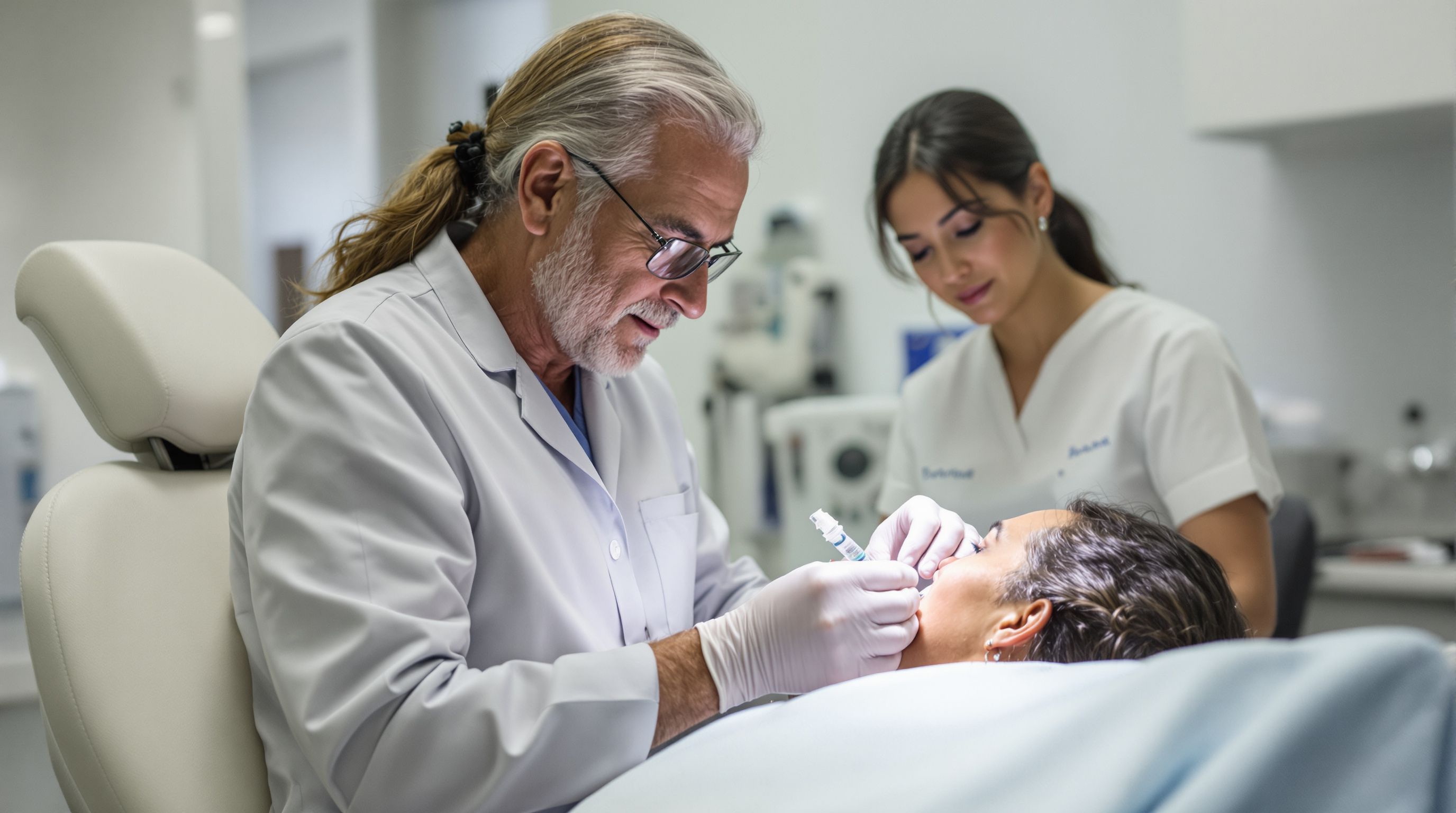 Explainer
Steroid, 5-FU, or Both: How Injectable Keloid Treatments Actually Differ
Intralesional injections remain the workhorse of keloid care, but triamcinolone and 5-fluorouracil work through very different mechanisms. Here is what the evidence says about choosing between them, and why many clinicians now combine the two.
· 5 min · Ifeoma Stanfield
 Myth Check
Does Cutting Out a Keloid Make It Grow Back Worse? A Myth Check
Surgery alone has a recurrence rate that can exceed 50 percent, but the full story is about wound biology, not a cursed scar. Here is what the evidence actually says about excision, and why adjuvant therapy changes the math.
· 5 min · Ifeoma Stanfield
 Explainer
Steroid Shots Alone or Steroid Plus 5-FU: What the Evidence Says About Injecting Keloids
Intralesional triamcinolone has been the default keloid injection for decades. Adding low-dose 5-fluorouracil changes the math on flattening, recurrence, and side effects. Here is how the two approaches actually compare.
· 5 min · Ifeoma Stanfield
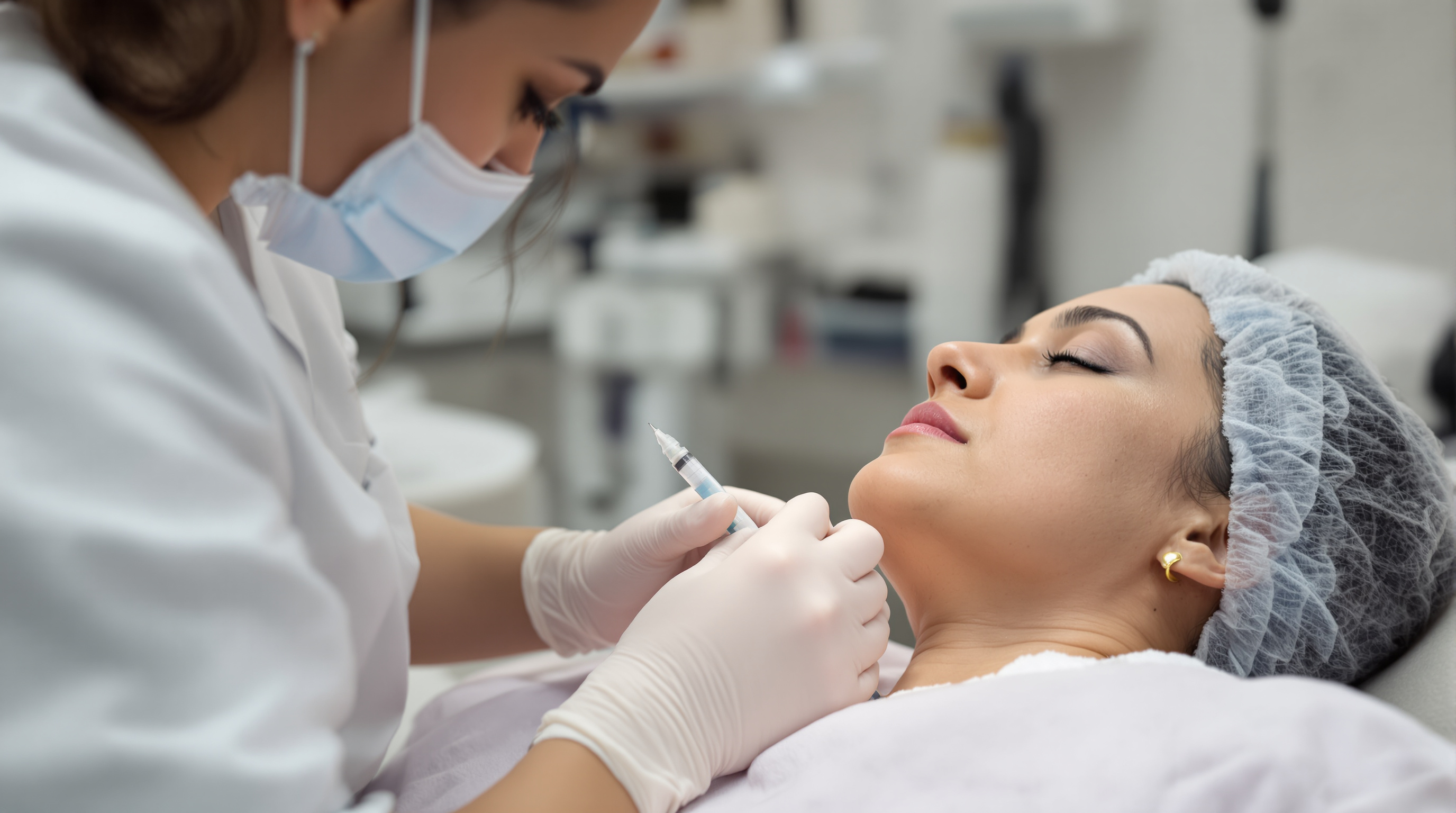 Explainer
What Steroid Injections Actually Do Inside a Keloid, and Why They Sometimes Fail
Intralesional triamcinolone remains the workhorse of keloid treatment. Here is the mechanism, the realistic response rates, the side effects nobody warns you about, and why combining it with 5-fluorouracil has changed the math.
· 5 min · Ifeoma Stanfield
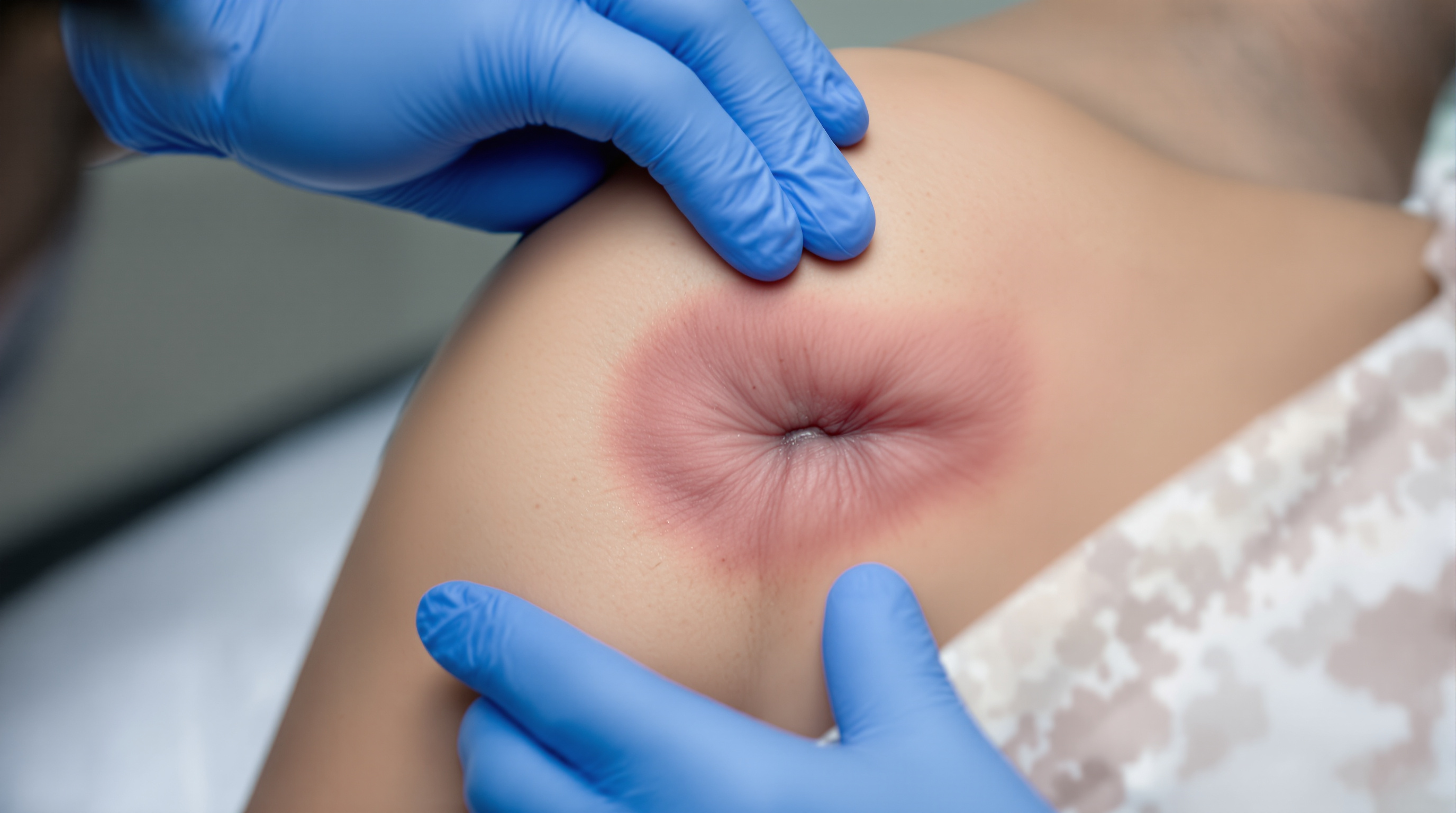 Explainer
Triamcinolone vs. 5-FU: What Actually Happens Inside a Keloid When You Inject It
Both drugs are injected into scar tissue, both have decades of use, and both fail in predictable ways. Here is how they work at the cellular level, and why many clinicians now combine them.
· 5 min · Ifeoma Stanfield
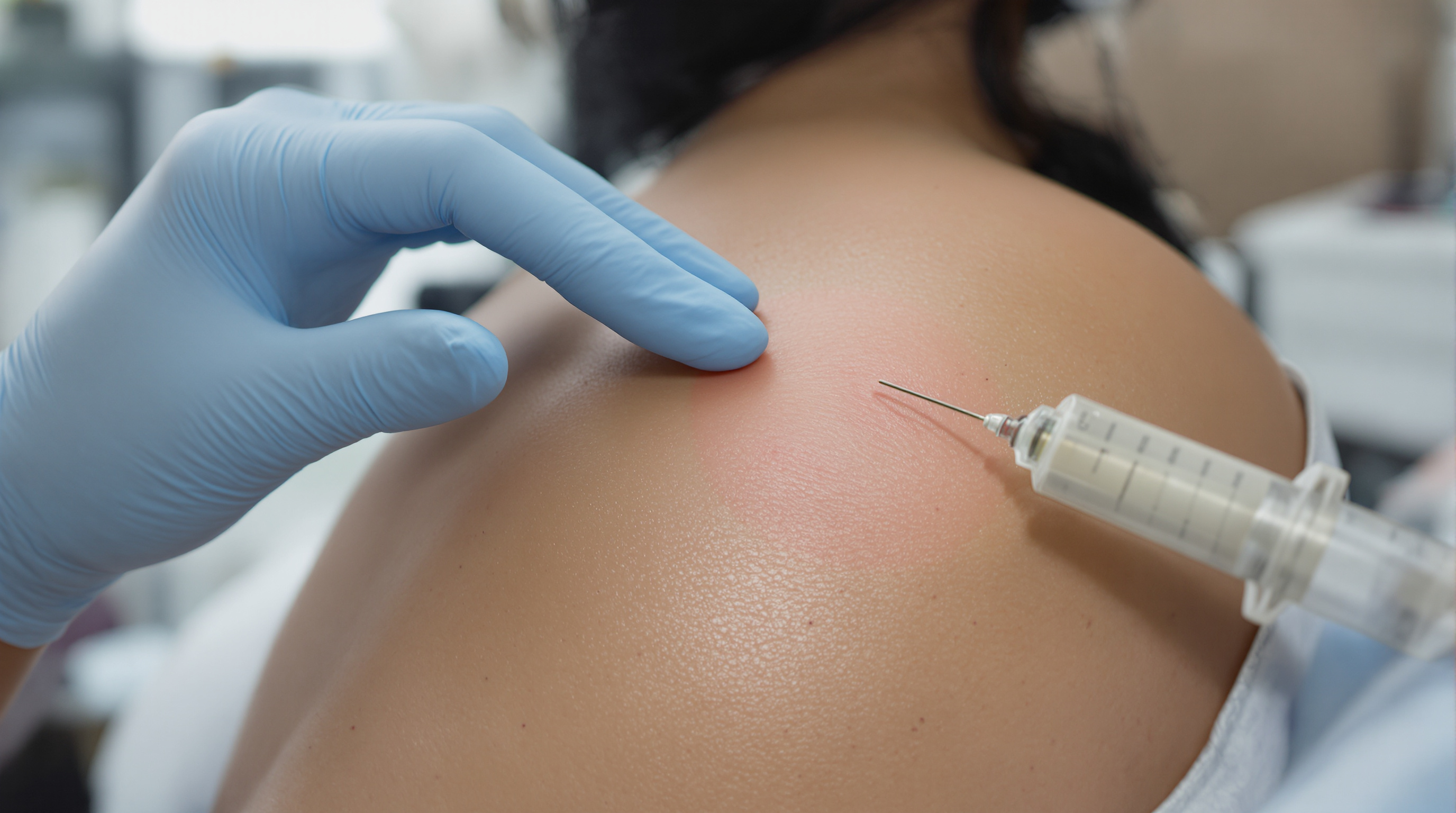 Explainer
Why Steroid Injections Shrink Some Keloids and Barely Touch Others
Intralesional triamcinolone is the workhorse of keloid treatment, yet response rates vary widely. A closer look at the mechanism explains the gap, and why combination protocols are becoming the standard of care.
· 5 min · Ifeoma Stanfield
 Explainer
Steroid, 5-FU, or Both: How Clinicians Actually Choose an Injection for Keloids
Intralesional therapy is the workhorse of keloid treatment, but the syringe can hold more than one drug. Here is how triamcinolone, 5-fluorouracil, and their combination compare on mechanism, evidence, and side effects.
· 5 min · Ifeoma Stanfield
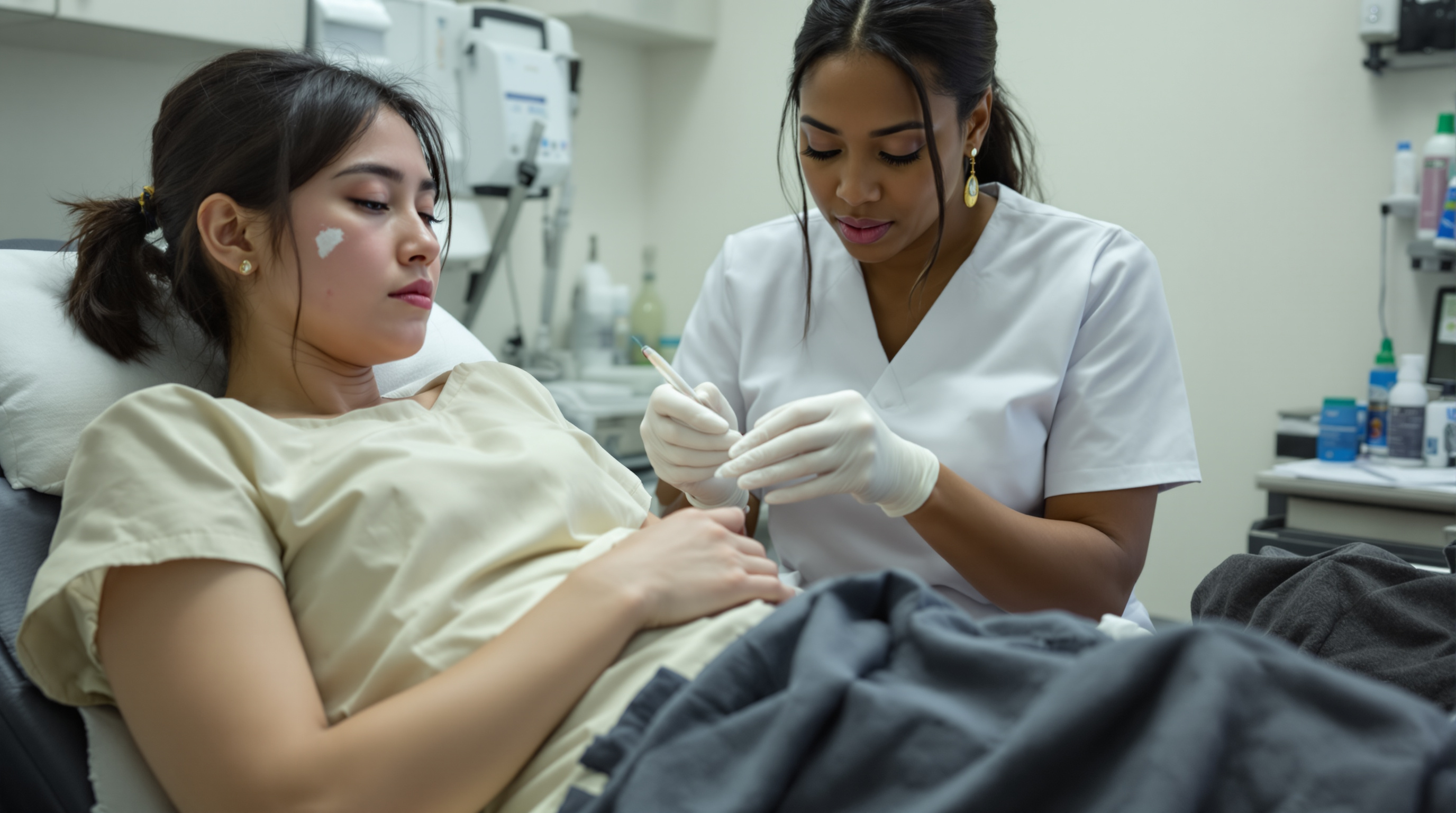 Explainer
Why Steroid Injections Shrink Keloids, and Why They So Often Come Back
Intralesional triamcinolone is the workhorse of keloid treatment, but recurrence rates are stubbornly high. Here is what the drug actually does inside a scar, why it fails, and how combination protocols are changing the math.
· 5 min · Ifeoma Stanfield
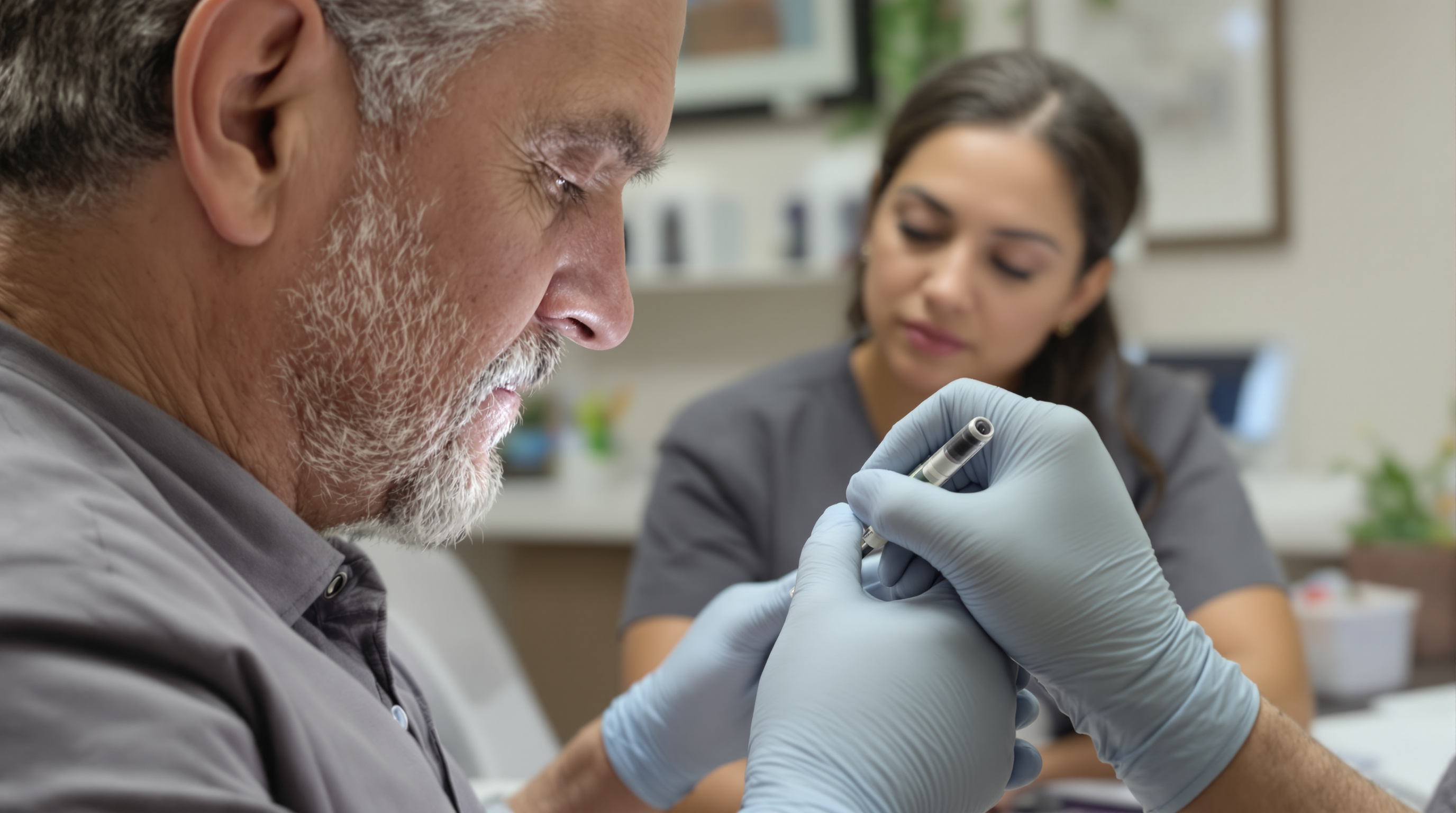 Explainer
Steroid or 5-FU? What the Evidence Says About the Two Most Common Keloid Injections
Intralesional triamcinolone has been the default keloid injection for decades, but 5-fluorouracil is increasingly used alongside or instead of it. Here is how each drug works, what the trials show, and why many clinicians now combine them.
· 4 min · Ifeoma Stanfield
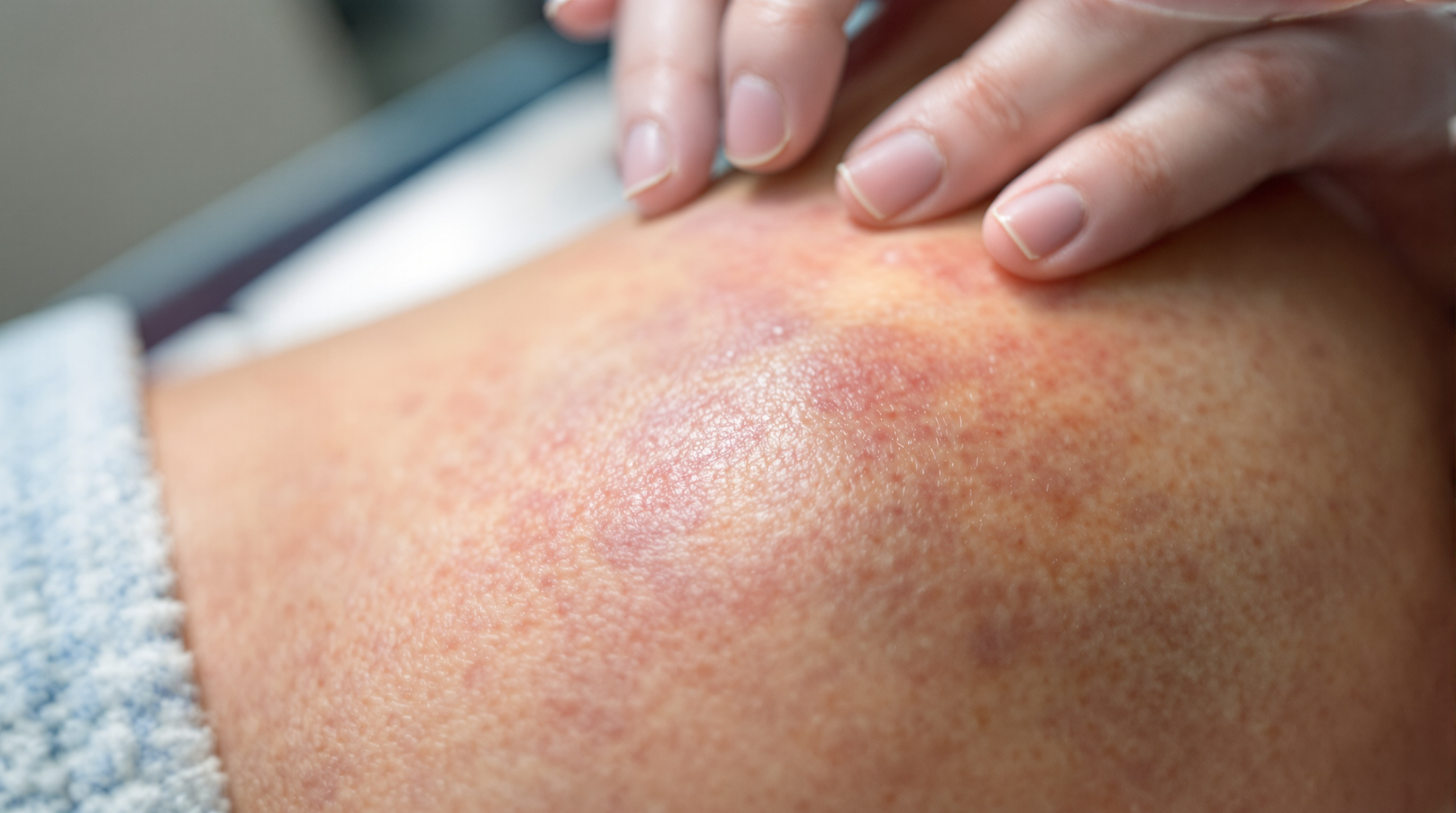 Explainer
Why Steroid Injections Sometimes Stop Working on Keloids, and What Clinicians Do Next
Intralesional triamcinolone remains the first-line keloid treatment worldwide, yet a meaningful share of scars plateau or rebound. Here is what is actually happening in the tissue, and how treatment plans adapt when the needle alone is not enough.
· 5 min · Ifeoma Stanfield
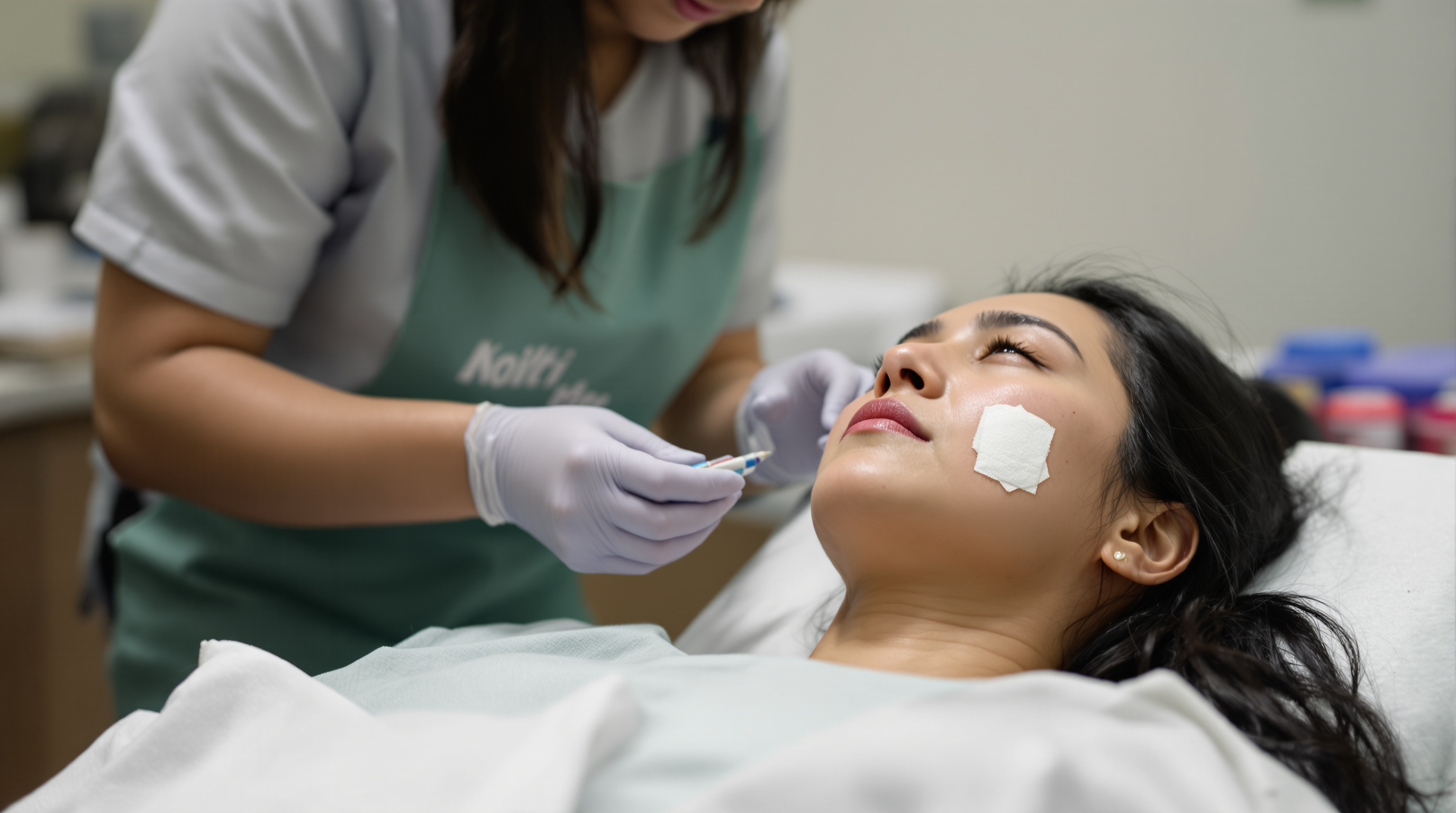 Explainer
Triamcinolone vs. 5-Fluorouracil for Keloids: What the Needle Actually Does
Steroid injections have been the default keloid treatment for decades, but 5-FU, alone or in combination, is changing the calculus. Here is how each drug works, where each falls short, and why many clinicians now mix them.
· 5 min · Ifeoma Stanfield
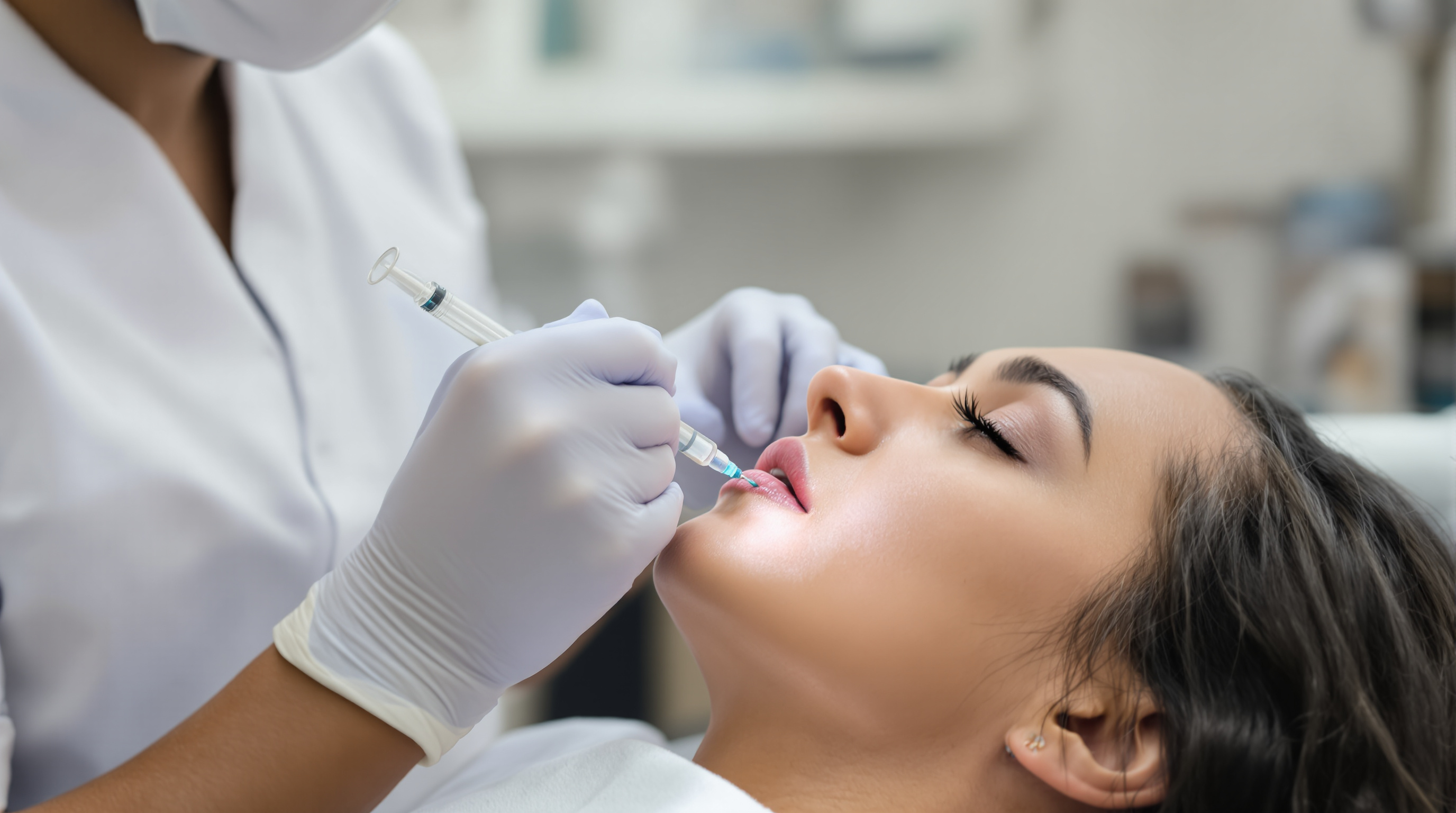 Explainer
Steroid Injections for Keloids: What the Needle Actually Does, and Why It Sometimes Fails
Intralesional triamcinolone remains the first line treatment for most keloids. Here is the mechanism behind it, the realistic timeline, and the reasons a scar may stop responding.
· 5 min · Ifeoma Stanfield
 Explainer
Steroid Shots vs 5-FU for Keloids: What the Injection Actually Does
Both drugs shrink keloids by interrupting the scar's overactive repair loop, but they work on different targets, carry different side effects, and increasingly show up in the same syringe. Here is a plain-English comparison.
· 5 min · Ifeoma Stanfield
 Explainer
Triamcinolone vs 5-Fluorouracil for Keloids: What Injection Choice Actually Changes
Both drugs flatten keloids, but they work on different parts of the scar biology. Here is how clinicians decide between steroid alone, 5-FU alone, or the combination, and what the evidence says about recurrence and side effects.
· 5 min · Ifeoma Stanfield
 Explainer
Why Cutting Out a Keloid Alone Often Makes It Worse, and What Adjuvant Therapy Actually Does
Surgical excision without follow-up treatment carries recurrence rates that can exceed the original problem. Here is the biology behind that risk, and how radiation, steroids, and pressure therapy change the math.
· 4 min · Ifeoma Stanfield
 Explainer
Why Cutting a Keloid Out Rarely Ends the Story: The Case for Combination Therapy After Excision
Surgery alone can send keloid recurrence rates above 50 percent. Here is the biology behind that number, and what adjuvant treatments actually change.
· 5 min · Ifeoma Stanfield
 Explainer
Keloids by location: why where it sits predicts how it behaves
Recurrence rates get quoted as a single number, as if a keloid on an earlobe and a keloid on a sternum were the same problem. They are not, and the difference is mechanical rather than mysterious.
· 8 min · Ifeoma Stanfield
 Explainer
How keloids are diagnosed, and when a biopsy is actually needed
Most keloids are diagnosed by eye and by history. Knowing the few situations that call for a biopsy, and why clinicians hesitate to cut, is the useful part.
· 7 min · Ifeoma Stanfield