
Explainer · August 5, 2026 · 5 min · By Ifeoma Stanfield
Steroid Injections for Keloids: What the Needle Actually Does, and Why It Sometimes Fails
Intralesional triamcinolone remains the first line treatment for most keloids. Here is the mechanism behind it, the realistic timeline, and the reasons a scar may stop responding.
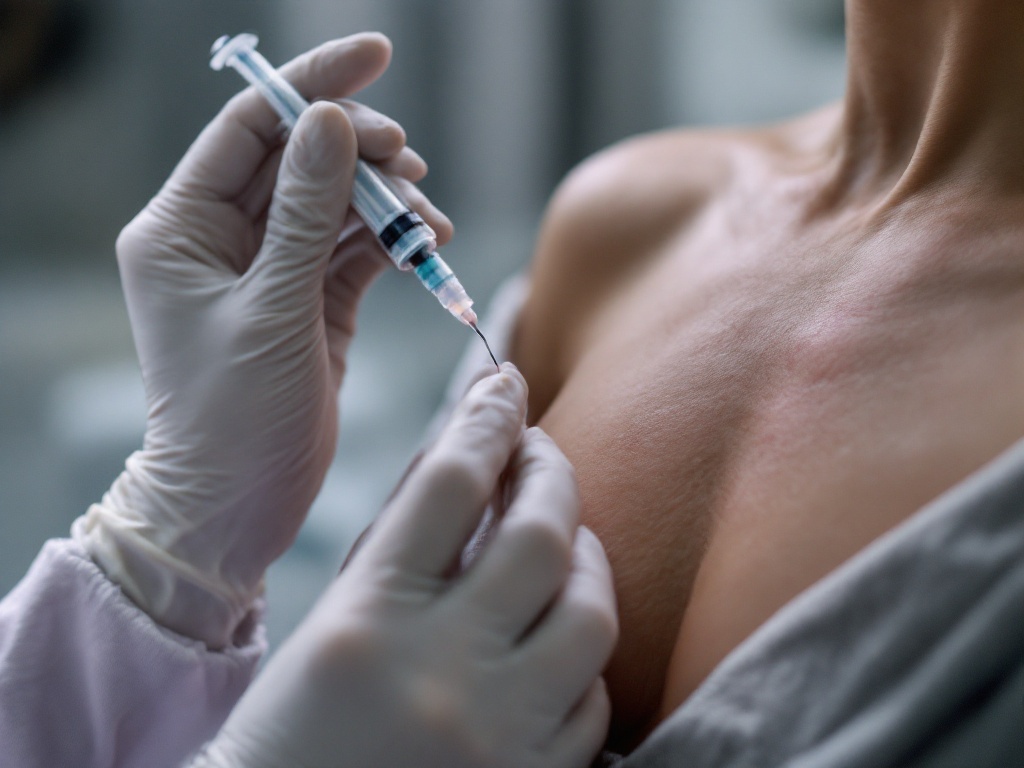
Ask most dermatologists what they reach for first when a patient presents with a keloid, and the answer is usually the same: intralesional corticosteroid injection, most often triamcinolone acetonide. It has been the backbone of keloid care for more than half a century. Yet patients frequently arrive at their first appointment with only a vague sense of what the injection does, how many sessions to expect, or why a scar that shrank beautifully for months can suddenly plateau. This explainer walks through the biology in plain terms.
Why a keloid forms in the first place
A keloid is not simply a thick scar. It is a wound healing process that never receives the signal to stop. Normal healing involves fibroblasts, the cells that manufacture collagen, ramping up production and then winding down as the wound closes. In keloid-prone skin, fibroblasts remain overactive. They produce excess type I and type III collagen, respond abnormally to growth factors such as TGF beta, and resist the programmed cell death that would normally thin their ranks. The result is a firm, raised mass that grows beyond the borders of the original injury.
What triamcinolone actually does inside the scar
Corticosteroids injected directly into the keloid work through several overlapping mechanisms. First, they suppress inflammation, reducing the local signaling that keeps fibroblasts in overdrive. Second, they directly inhibit fibroblast proliferation and collagen synthesis. Third, and often underappreciated, they increase the activity of collagenase, the enzyme that breaks down existing collagen. In other words, the injection does not just slow new growth. It actively encourages the body to dismantle collagen that is already there. That is why a responsive keloid softens and flattens over time rather than merely stopping its expansion.
The injection must be placed into the body of the scar itself, not the surrounding skin or the fat beneath it. This is technically harder than it sounds. Keloid tissue is dense, and pushing medication into it requires real pressure. Some clinicians pretreat with cryotherapy or use a smaller gauge needle to make delivery easier.
The realistic schedule
A single injection almost never resolves a keloid. Typical protocols involve concentrations between 10 and 40 milligrams per milliliter, repeated every 3 to 6 weeks. Most patients need somewhere between 3 and 8 sessions before the scar reaches its maximum improvement. Softening usually comes first, often noticeable within the first month. Flattening follows more gradually. Itch and tenderness, two of the most bothersome keloid symptoms, frequently improve early, sometimes after the first session, because the anti inflammatory effect works faster than the collagen remodeling effect.
Side effects worth knowing before you start
Steroid injections have a well documented side effect profile. The most common issues are skin atrophy, a thinning or dimpling of tissue around the injection site, hypopigmentation, a lightening of the skin that is more visible in darker skin tones, and telangiectasias, small visible blood vessels. These effects are dose related and more likely when steroid leaks into normal surrounding skin or when high concentrations are used repeatedly. Hypopigmentation can persist for a year or longer, and in some cases does not fully reverse. Patients with darker skin should discuss concentration choices with their clinician, since lower doses combined with other agents can reduce this risk.
Why some keloids stop responding
Roughly a quarter to a half of keloids show incomplete response or recur after steroid monotherapy, and there are identifiable reasons. Older, heavily collagenized keloids contain fewer active fibroblasts, so there is less inflammatory machinery for the steroid to switch off. Very large or very firm keloids may not distribute the medication evenly. And in some patients, fibroblasts appear intrinsically less sensitive to corticosteroid signaling.
This is where combination therapy enters the picture. Pairing triamcinolone with 5 fluorouracil, a medication that blocks fibroblast division through a different pathway, has repeatedly shown better flattening and lower recurrence than steroid alone in comparative studies, often with fewer pigment side effects because lower steroid concentrations can be used. Cryotherapy before injection, silicone sheeting between sessions, and pressure therapy for ear keloids are other common adjuncts. For keloids removed surgically, steroid injection into the healing wound is standard practice, because excision alone carries recurrence rates that can exceed 50 percent.
The bottom line
Steroid injection is not a cosmetic quick fix. It is a targeted biochemical intervention that suppresses inflammation, slows collagen production, and accelerates collagen breakdown. It works best on younger, softer, symptomatic keloids, requires multiple sessions spaced weeks apart, and carries real but manageable side effects. When it stalls, the answer is usually not more of the same but a shift to combination treatment. Patients who understand that framework tend to have more realistic expectations, better adherence to the injection schedule, and, in most published series, better outcomes.
Related reading: Steroid injections: the first-line keloid treatment.