
Explainer · August 6, 2026 · 5 min · By Ifeoma Stanfield
Triamcinolone vs. 5-Fluorouracil for Keloids: What the Needle Actually Does
Steroid injections have been the default keloid treatment for decades, but 5-FU, alone or in combination, is changing the calculus. Here is how each drug works, where each falls short, and why many clinicians now mix them.
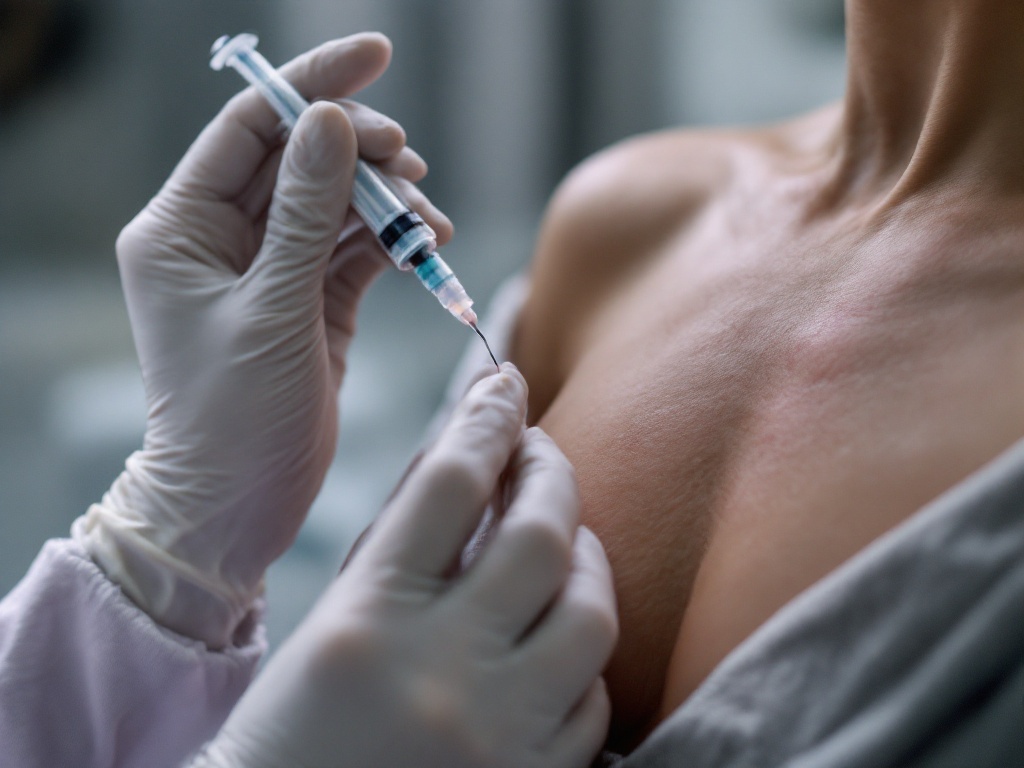
Ask most dermatologists what they reach for first when a patient presents with a keloid, and the answer is usually the same: a syringe of triamcinolone acetonide, a corticosteroid injected directly into the scar. It has been standard practice since the 1960s. Yet a growing body of clinical evidence supports a second injectable, 5-fluorouracil, better known as a chemotherapy agent, either as a substitute or a partner drug. Understanding what each one does at the cellular level explains why the combination has become common in keloid clinics, and why neither is a guaranteed fix.
How triamcinolone works. Keloids are, at their core, a wound-healing process that never received the stop signal. Fibroblasts in the scar keep producing collagen, particularly type I collagen, long after the original injury has closed. Triamcinolone interrupts this in several ways. It suppresses inflammatory signaling, reduces the activity of transforming growth factor beta, a key driver of fibroblast proliferation, and increases collagenase activity, which breaks down the excess collagen already deposited. The visible result, when it works, is a scar that softens, flattens, and often itches less within a few injection sessions spaced roughly four to six weeks apart.
Where steroids fall short. Response rates in published studies vary widely, roughly 50 to 100 percent for initial flattening, but recurrence after steroid monotherapy is common, with some series reporting regrowth in a third to half of treated keloids within a few years. Side effects are also dose dependent and real: skin atrophy, telangiectasias (visible small blood vessels), and hypopigmentation, which can be especially noticeable in darker skin tones, the same populations most prone to keloids in the first place. Injecting a thick, dense keloid is also technically difficult and painful, since the drug must be deposited into the scar tissue itself, not the surrounding skin.
How 5-FU works. 5-Fluorouracil is a pyrimidine analog that interferes with DNA synthesis. In oncology, that property kills rapidly dividing tumor cells. In a keloid, it targets the same vulnerability in a different cell: the overactive fibroblast. 5-FU inhibits fibroblast proliferation and, importantly, appears to block TGF-beta driven signaling that pushes fibroblasts to produce collagen. It essentially slows the factory rather than only clearing the warehouse. Injected at low concentrations directly into scar tissue, systemic absorption is minimal, and studies have not shown the systemic toxicities associated with intravenous chemotherapy dosing.
Where 5-FU falls short. The main drawbacks are local: injection pain, temporary hyperpigmentation at the site, and occasional superficial ulceration. It is generally avoided in pregnancy and in patients with certain blood disorders. Used alone, its results are comparable to steroids in many head-to-head trials, sometimes modestly better for recurrence, but it does not carry the steroid's rapid anti-inflammatory effect, so itching and redness may take longer to settle.
Why combination therapy gained ground. The most cited approach mixes a small amount of triamcinolone into a 5-FU syringe, commonly at ratios around 1 part steroid to 9 parts 5-FU, though protocols vary. The logic is mechanistic and complementary. The steroid quiets inflammation and boosts collagen breakdown; the 5-FU suppresses the fibroblasts that would otherwise rebuild the scar. Several randomized trials and meta-analyses have found the combination produces greater flattening, lower recurrence, and fewer steroid-type side effects than triamcinolone alone, largely because the steroid dose per session drops substantially. Less steroid means less atrophy and less hypopigmentation, which matters when a treatment course can run five to ten sessions.
What patients should realistically expect. No injectable erases a keloid. The goal is volume reduction, softening, symptom relief, and prevention of regrowth. Larger, older, and pedunculated keloids often respond only partially to injections and may require excision followed by injections, radiation, or pressure therapy to keep the scar from returning larger than before. Earlobe keloids, for example, are frequently excised first because injecting a bulky nodule flat is impractical. Injections shine most on younger, smaller, actively growing keloids and as recurrence prevention after surgical removal.
Practical points worth asking about. Injection technique matters as much as drug choice. The medication must go into the keloid itself; deposits in surrounding normal skin cause atrophy without treating the scar. Consistent intervals matter too, since long gaps between sessions allow fibroblast activity to rebound. Patients on 5-FU regimens should expect transient darkening at injection points, which typically fades over months.
The bottom line. Triamcinolone remains a reasonable first-line injectable for keloids, particularly small, inflamed, itchy ones. But the evidence increasingly supports adding 5-FU for stubborn or recurrent scars, or for patients who developed steroid side effects in prior rounds. The two drugs attack different steps of the same runaway process, and in keloid treatment, hitting more than one mechanism is usually the difference between a scar that flattens and stays flat, and one that comes back.